It didn’t come as a total surprise. For quite some time, the skies above Kyiv were far too quiet. We all knew Russia was probably saving as many missiles and drones as possible to hit Ukraine at the worst possible time, in the middle of the winter.
Living in Ukraine, we are used to the sound of wailing sirens, shrieking through the night. This is the best case scenario. The worst is when we hear the whistle of a missile, or the buzzing sound of a drone, and of course the sound of an explosion.
Last Friday, on December 29th, I slept through all the night’s air raid alerts. Instead, I woke up to the roar of an explosion nearby. The ceiling lights shook, the windows as well. I got up quickly and opened the curtains – to a scene of devastation. In a sunny, otherwise beautiful morning, columns of dark smoke rose high before me, towards Lukianisvka subway station, in the Shevchenkivs’kiy district, my district. Somehow the nice weather made it all the more terrible. I looked at my cats, eager to get breakfast and no longer scared by a sound that had become familiar to them, and looked back in the direction of Lukianivksa. A lot of my friends live nearby, so I immediately thought of them, messaged to see of they were ok.
In the safest place of my flat, as I had no time to seek shelter elsewhere and it was pointless to go out, as the danger of strikes persisted, I messaged the newsroom, with “URGENT: Kyiv under attack”. Catching up with the news through multiple channels, I could see that Ukraine was again under a barrage of missiles and drones launched by Russia.
We, journalists, are first responders too, we do not rescue, we do not repair, but we do show what is before our eyes. Security-wise, we are not supposed to leave a shelter during an on-going air raid alert. Plus, there is a risk of double-tap – as Russia has a well-documented habit to wait for rescuers to be on site before launching a second strike on the same spot.
When it is safe enough to do so, I meet with Illia, my producer today. He was on his way to the swimming pool with a friend, when the attacks happened. We have to decide which site to cover first – the warehouse on fire in Podil? The subway station in Lukianivska? I opt for the latter, it’s closer and we think we know where to go.
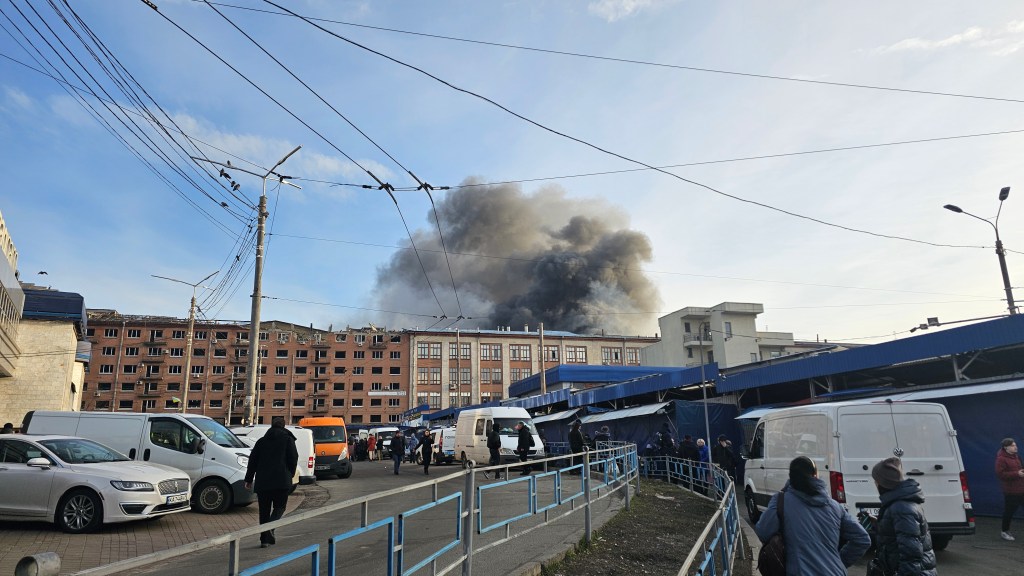
The thick column of smoke comes from the very same place shelled last summer. Dozens of ambulances are on site. Police cordon off the area, not accessible to the press yet. There is a factory of interest in the neighborhood.
An elderly woman shouts at us to stop filming, saying that we’re helping Russians. We tell her we are authorised to film, she goes straight to a police officer and points her finger at us. She’s frantic, still shocked because of the explosion. The officer looks at her, looks at us, we wave towards our accreditations which we quickly took out of our pockets. He silently nods in approval and looks, unfazed, at the woman who seems now dejected.
We can’t go live on the scene of an attack for the first couple of hours, precisely so as not to give out any information to ill-intentioned people.
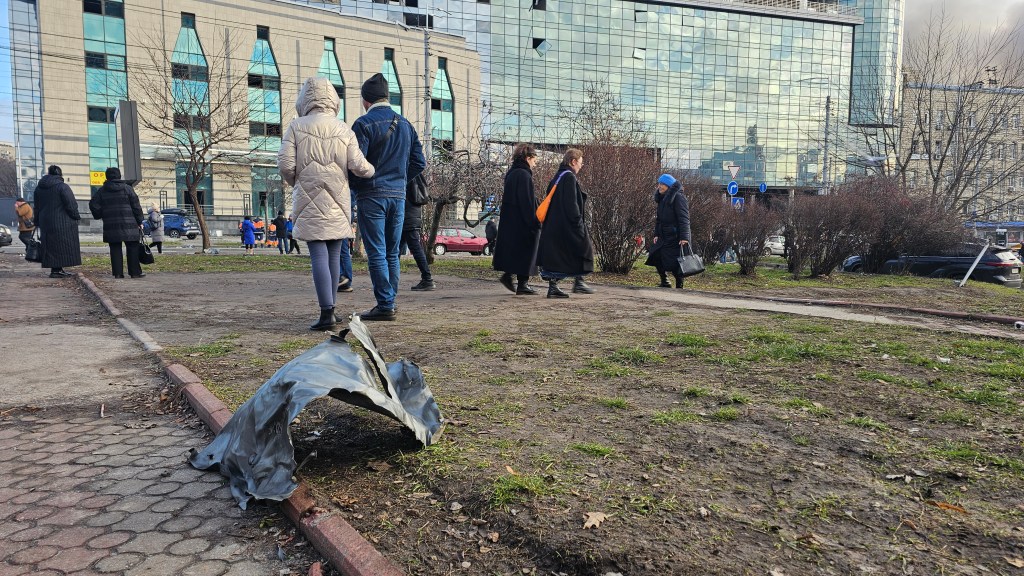
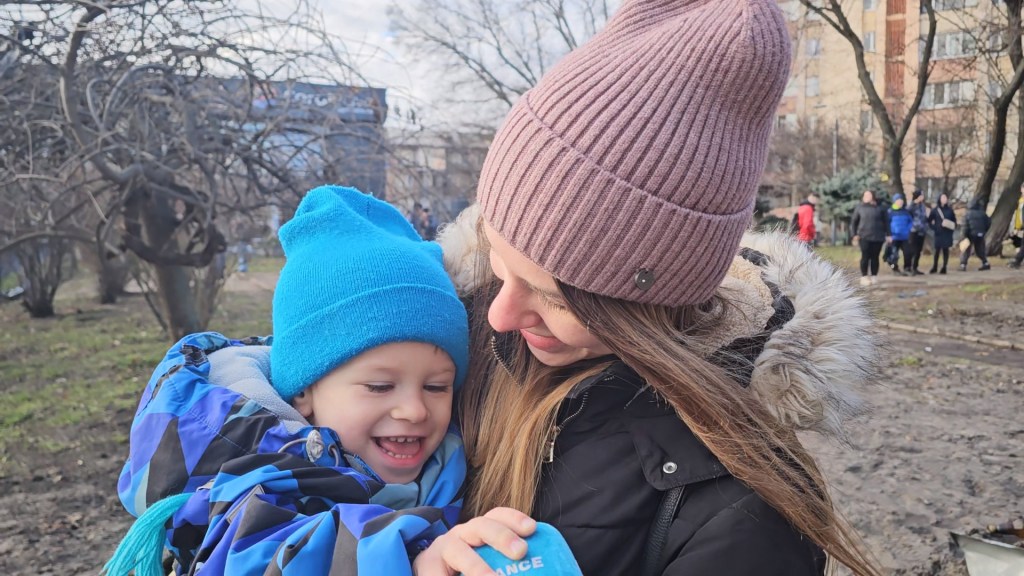
We meet with people whose offices were already destroyed the last time this area was shelled. There is Oleh, a business owner who exclaims: “In Ukrainian, we say that a bomb never falls twice on the same place. Do you see, this is the answer for politicians: in a city far away from the frontline, without fighting. Should they be helping us or no? They should come in Kharkiv, Kherson, Zaporizhzhia, looking at what happens to our Ukraine every day!”. Katarina, a young mother, and her little boy Vovochka who tries to steal my microphone, were about to leave their home to go to the kindergarten when the missile struck the subway station. Katarina says: “We decided against the kindergarten and sheltered at home, and it was for the best, because it quickly became so chaotic over there, with of all the people seeking shelter”.
After filming, I call V., my friend and also producer, to use his laptop, as mine is broken. We spend the afternoon between editing and radio lives. In the evening, back on Sophia Square for more TV lives, I hear a street musician playing “Forever Young” on the guitar and this is the last straw that day – this is forever the song of Arman, a French journalist who died last year in Chasiv Yar. But people stroll, they enjoy the music, while I enumerate the horrors of the day for an international audience.
***
It only takes another couple of days, during which various other shellings happen: Kherson, Odesa, where teenagers, among others, are killed, their lives cut short by drones and missile strikes on civilian infrastructures, before the capital is hit by another large scale attack.
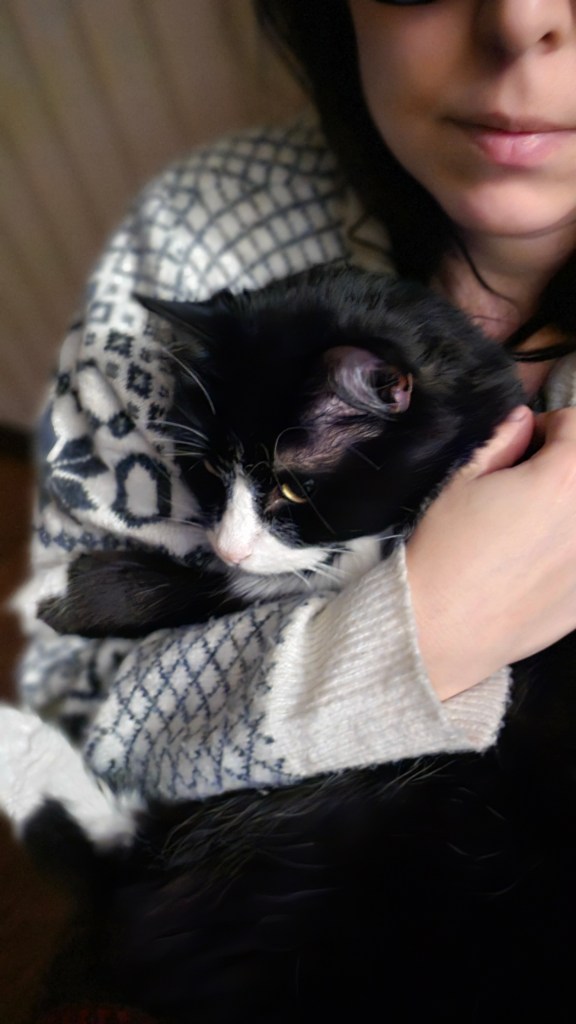
On January 2nd, we in Kyiv wake up again to the sound of explosions. Drones had already been sent in the middle of the night, but I hadn’t heard anything. This time, it’s missiles. 99 of them, most aimed at Kharkiv and Kyiv. It’s loud, it lasts several hours. I had no time to get out and reach the safest shelter: the Kyiv subway, to I shelter at home, in my corridor. One of my cats in my arms, the other two hiding somewhere, while the windows are shaking, and the light is flickering.
I’m texting with my colleagues in Paris, they’re worried for me, ask if I want to postpone our live. Precisely because we are under attack, I want to proceed, from my corridor.
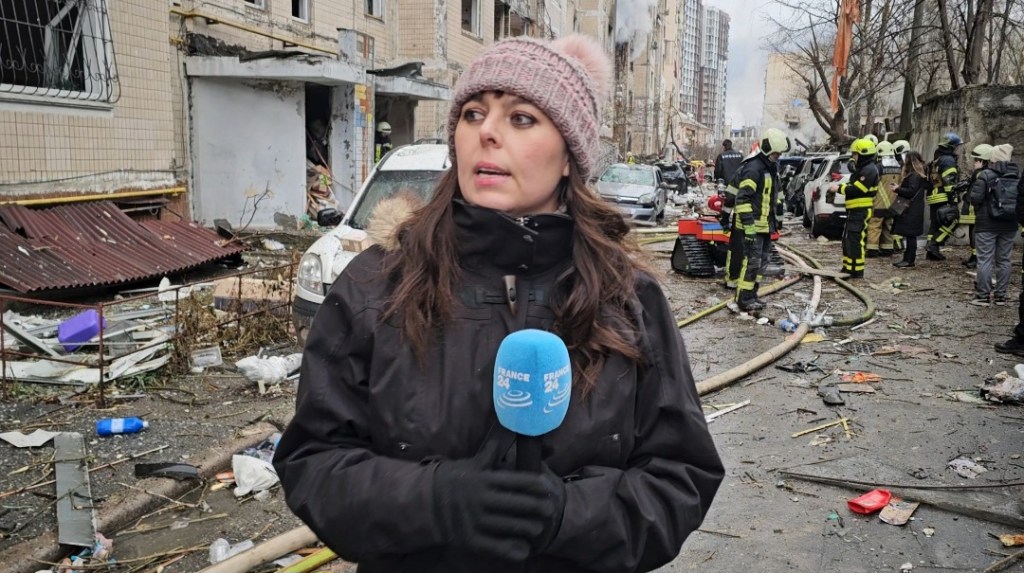
Today is the 2nd time in four days that Illia and I check on each other during the shelling, then he picks me up when it’s safe to do so, and we go to a site where destruction and death try to obliterate life. From the road, we can see hellish dark columns of smoke, all across the city.

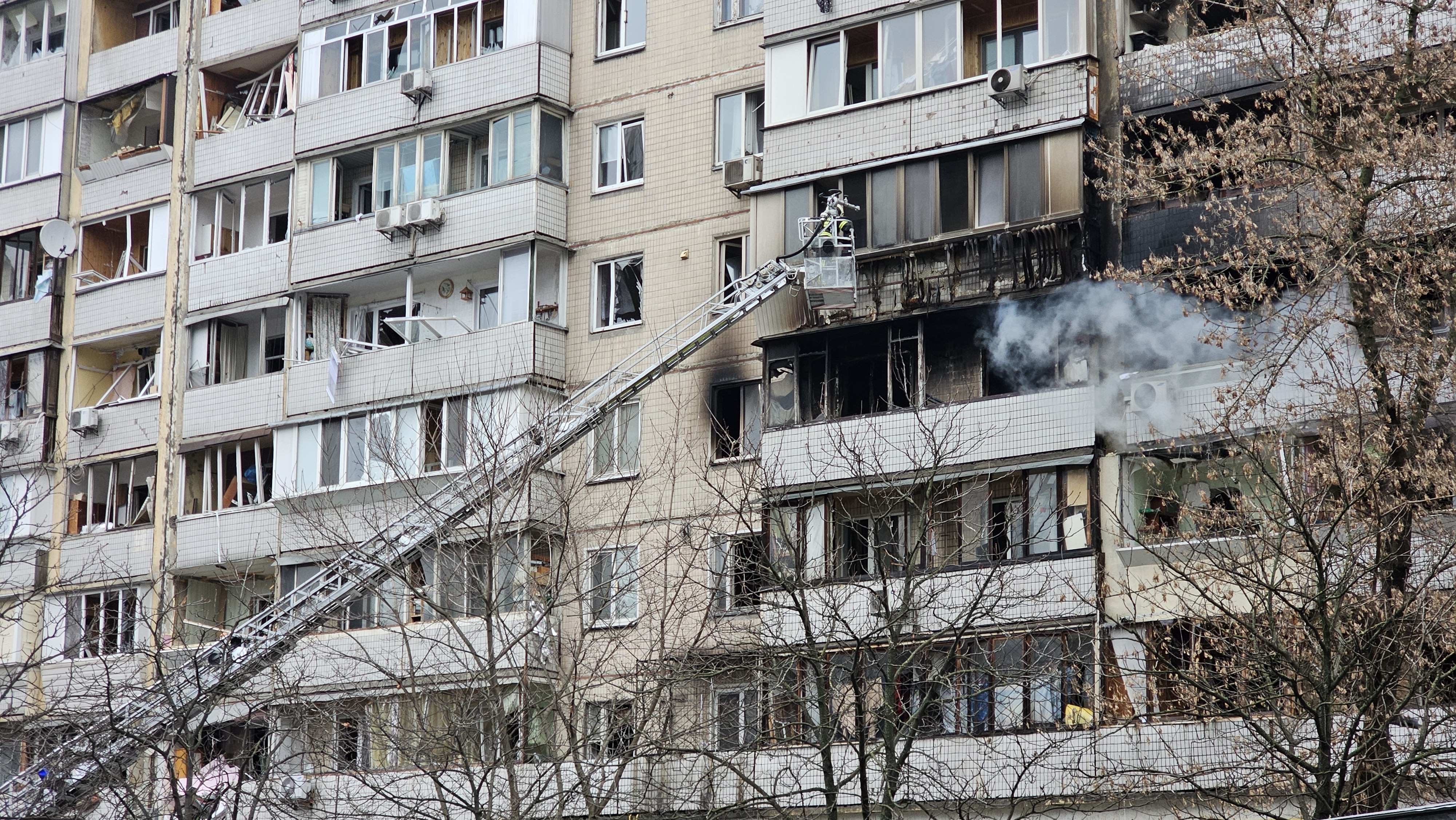
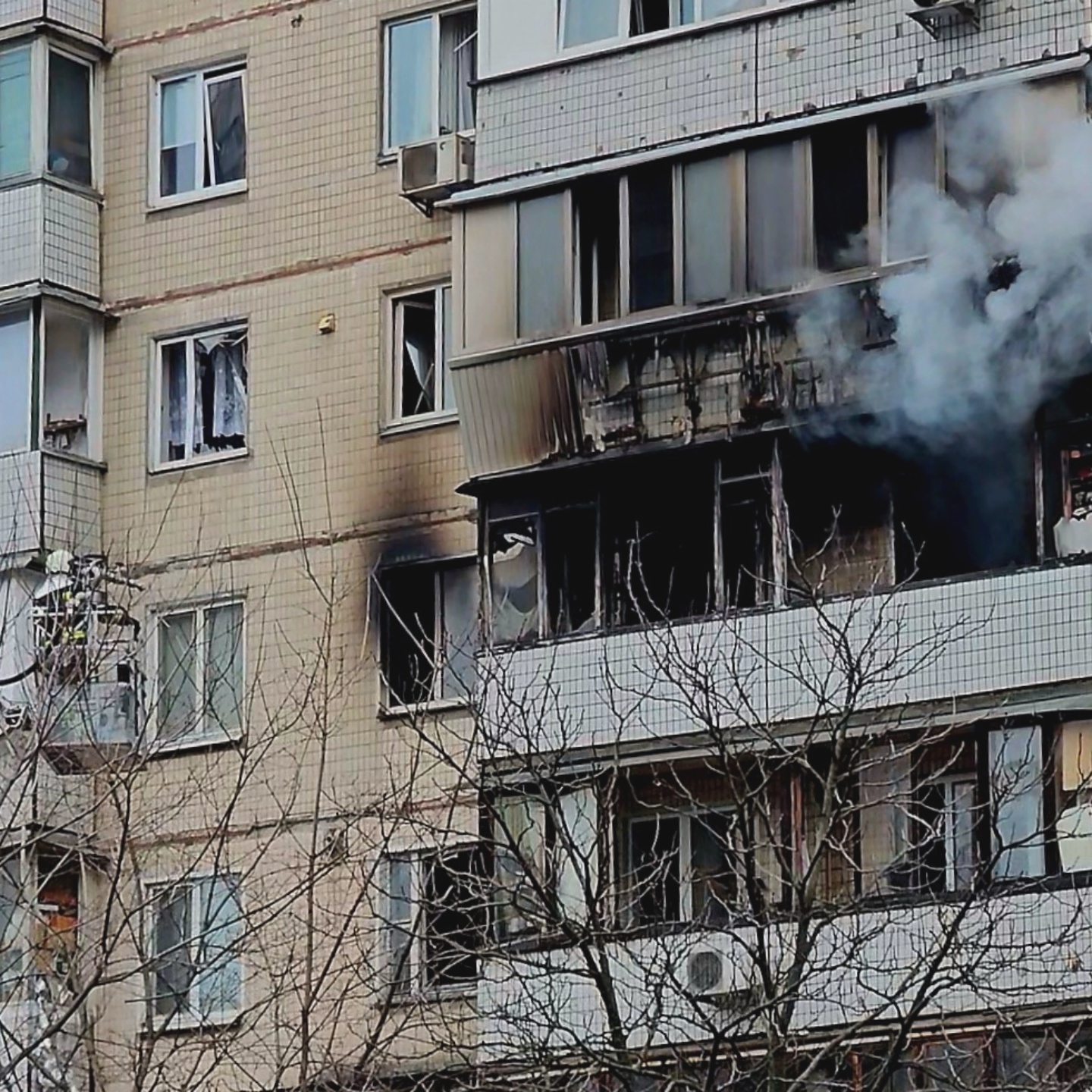
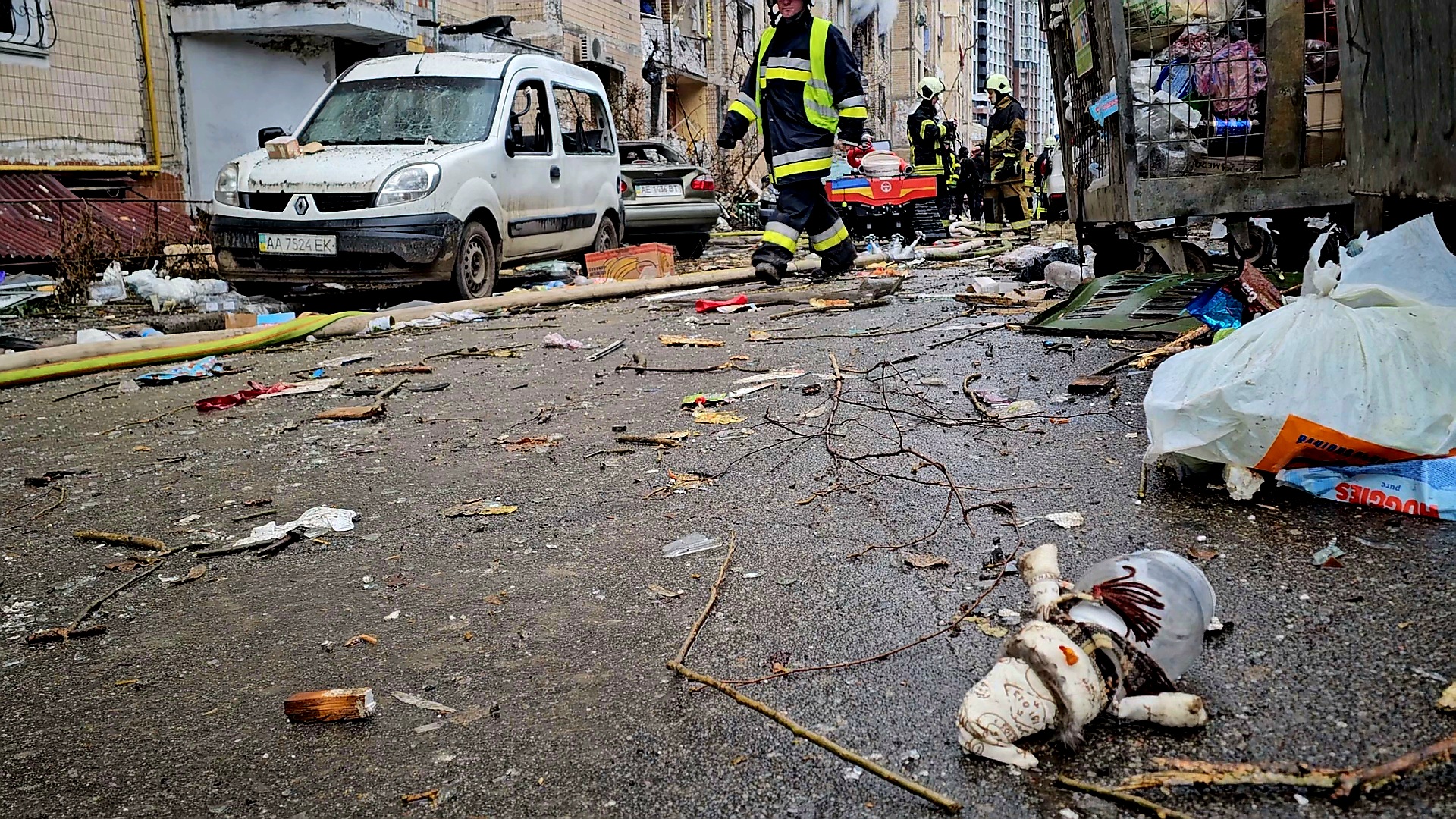
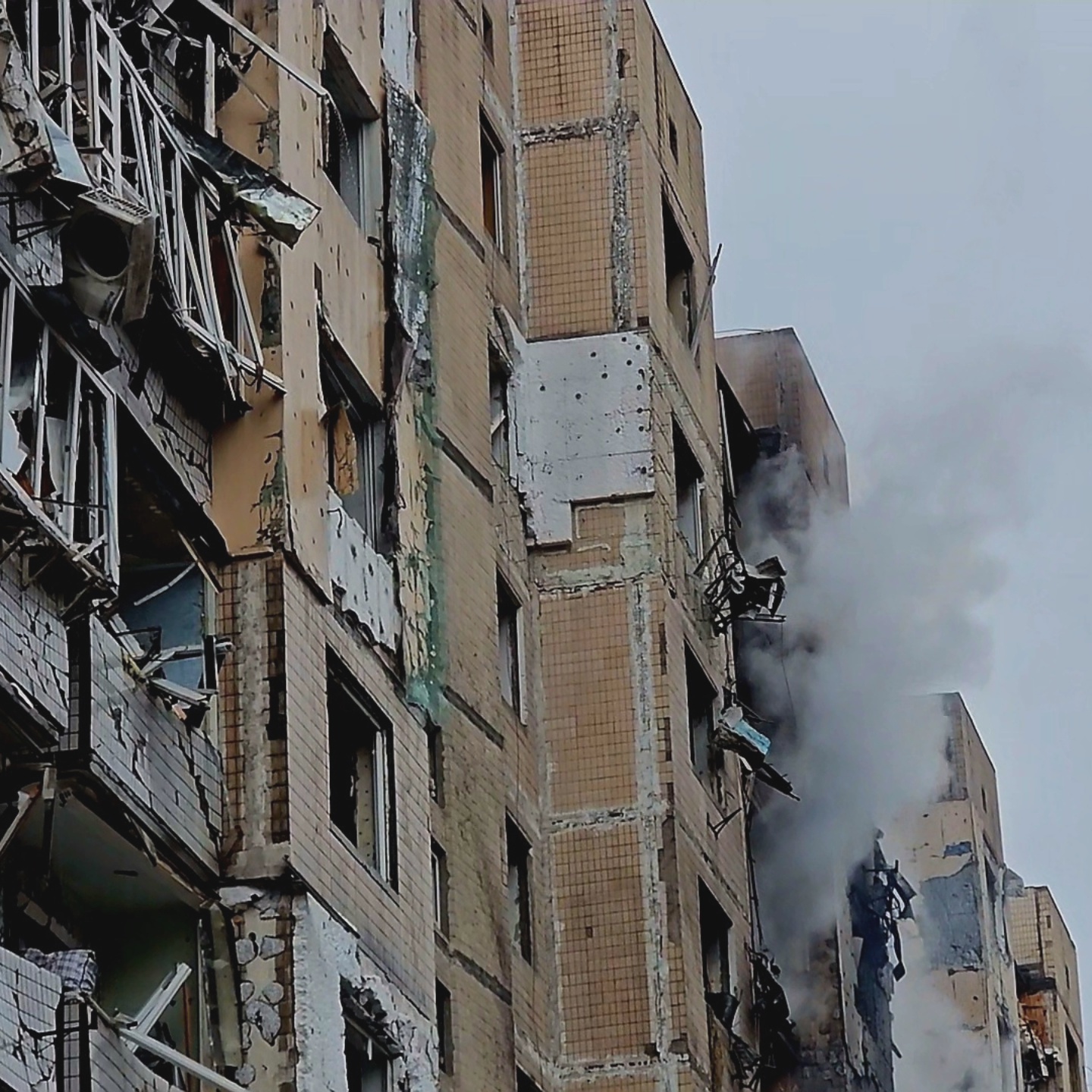
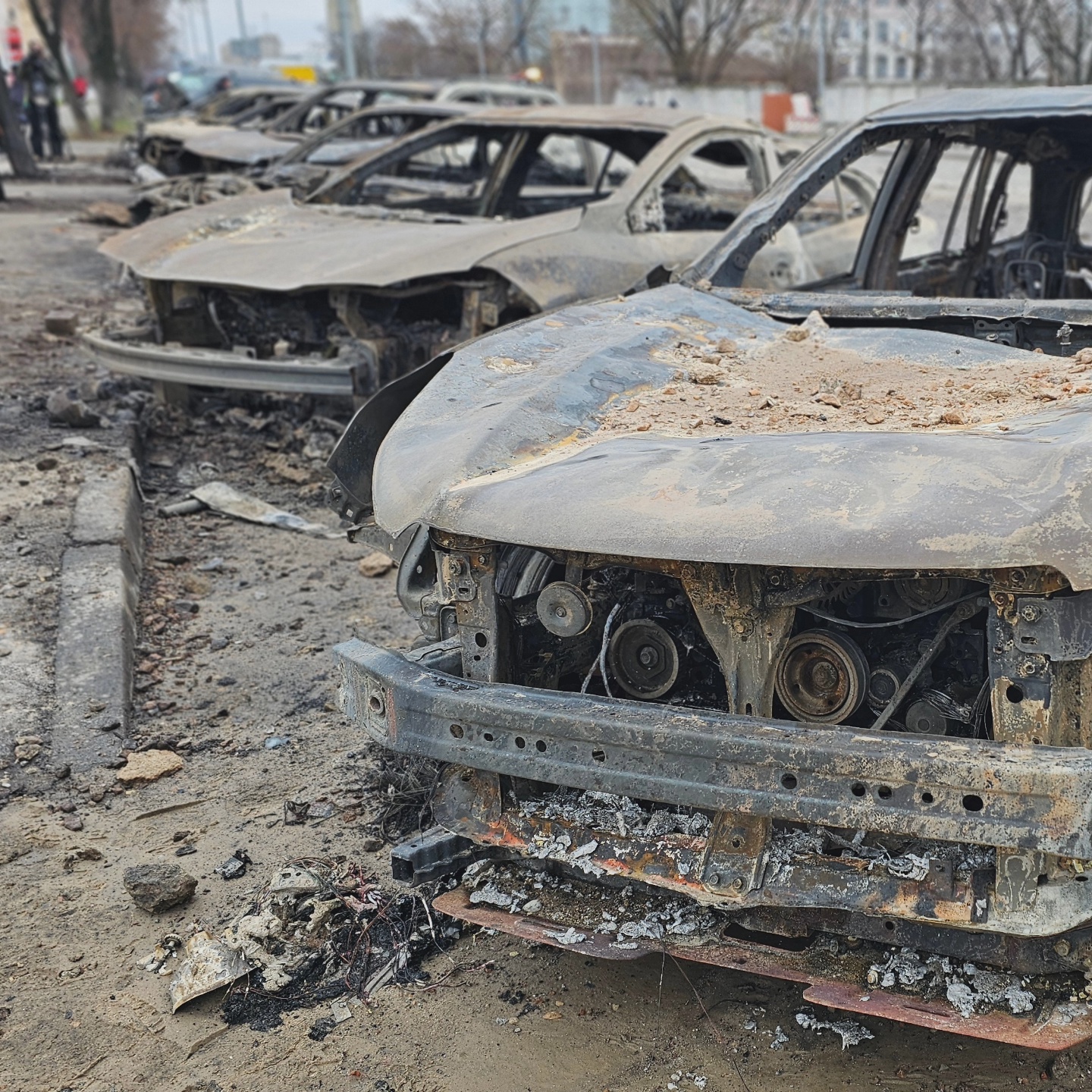
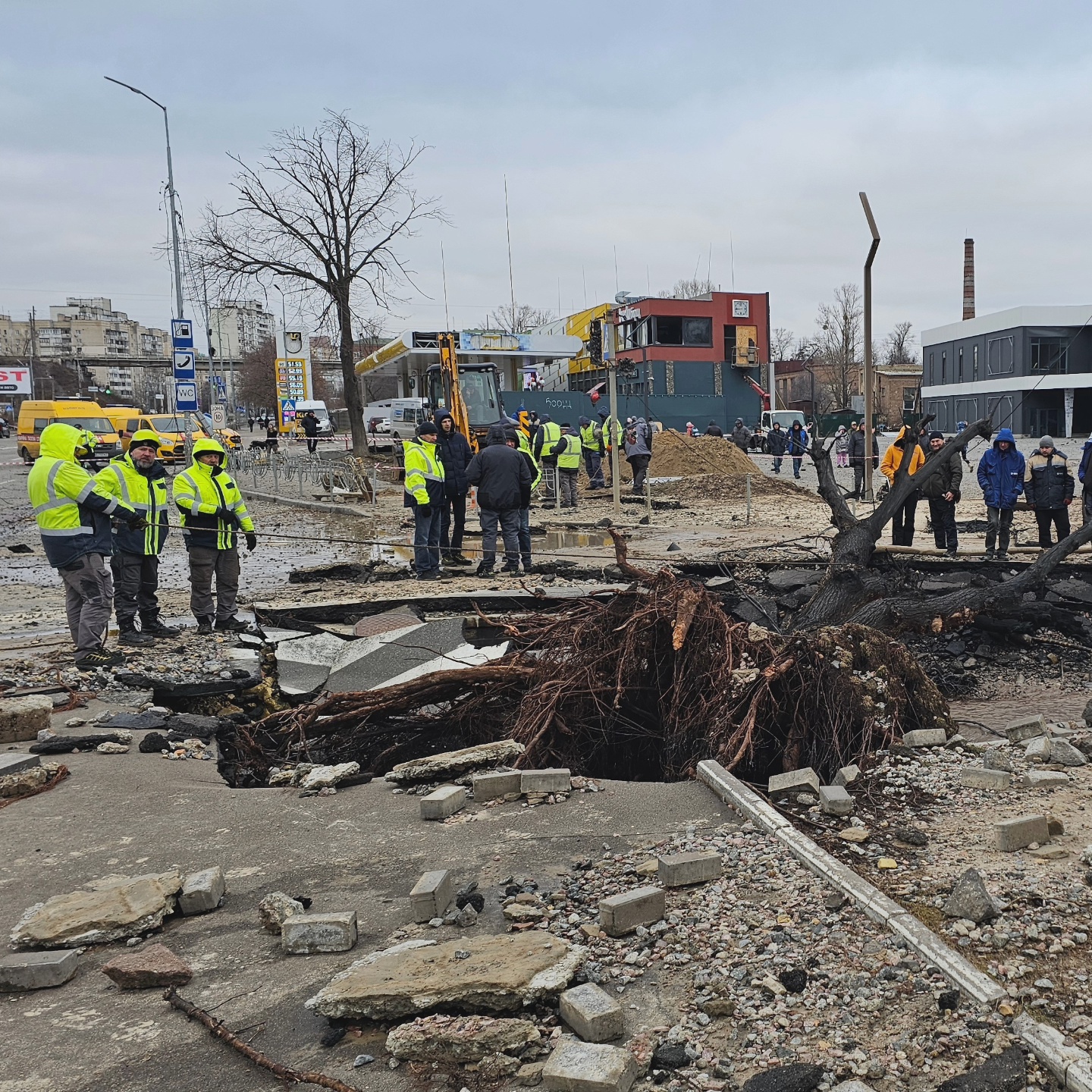
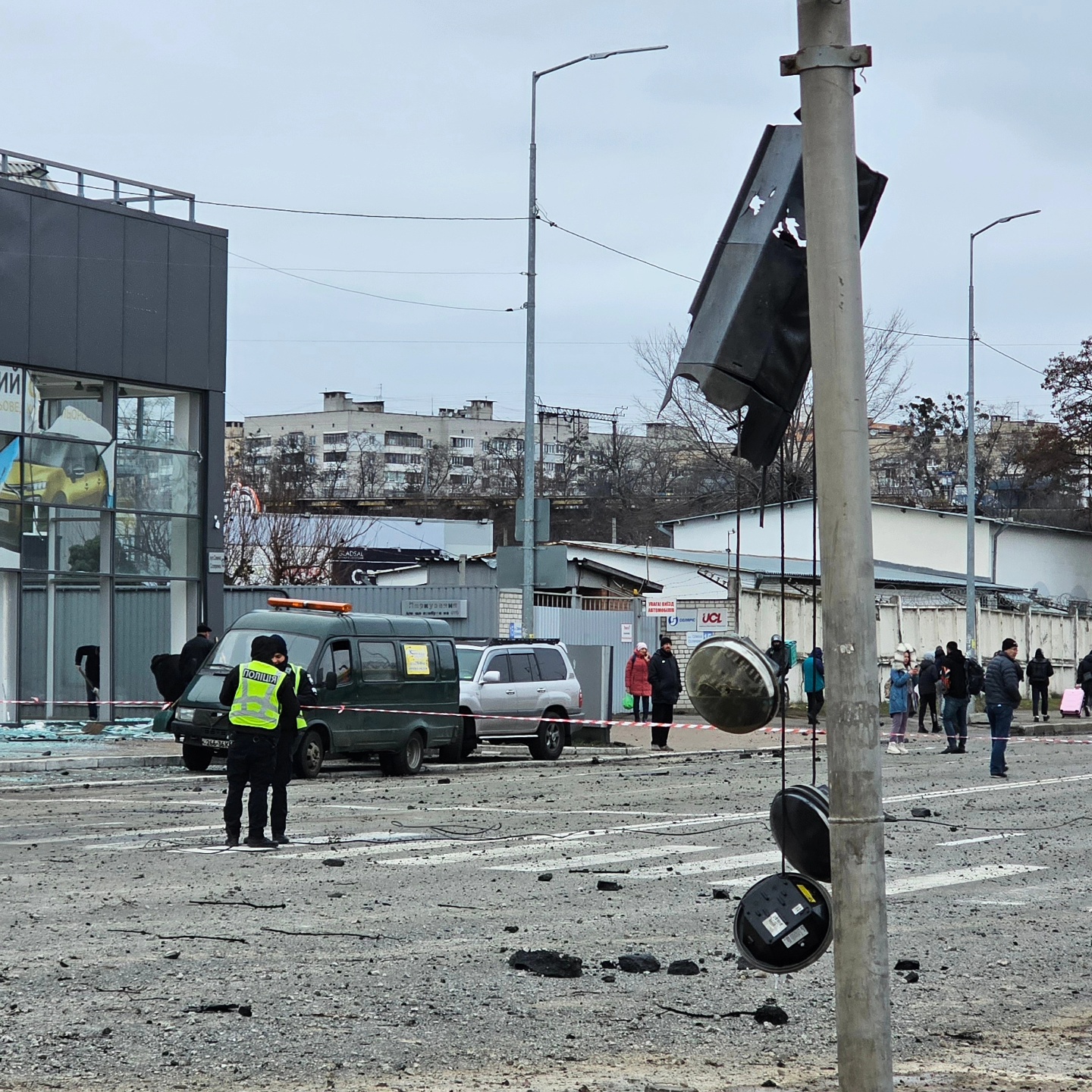
When we arrive on site, we arrive shortly after first rescuers. When we can, if authorities agree, we report live from the spot, and we film. It’s a sadly well rehearsed ballet of responders. We all know our job, and all acknowledge that we belong together here. The firefighters, the police, the intelligence, the army, and the press. And in the middle, the countless victims.
There is no time to cry, but it’s always time to feel.
Just before recording that video, I was greeting a photographer from Frontliner, a photographer who I always meet during those awful, awful circumstances. He too is visibly shaken.
There is no time to cry, because people need to know. Until you spot a friend in the crowd. You think he’s working too, as he is a journalist as well, but no, he tells you he lives in one of the buildings damaged, and you see his eyes full of tears.
All around us, firefighters, fire hoses, smoke, ashes, people injured, people crying, people already removing shards from their flats and trying to fix what has been undone by Russia.
We move to another location. Charred cars, more emergency workers. A strong smell of gas. Is it dangerous still? Everything is grey and muddy. Everything but us. We’re alive, still.
There is no time to cry but I often wonder if it will ever stop, why it keeps on happening, and if I will ever unsee all the horrors before me.