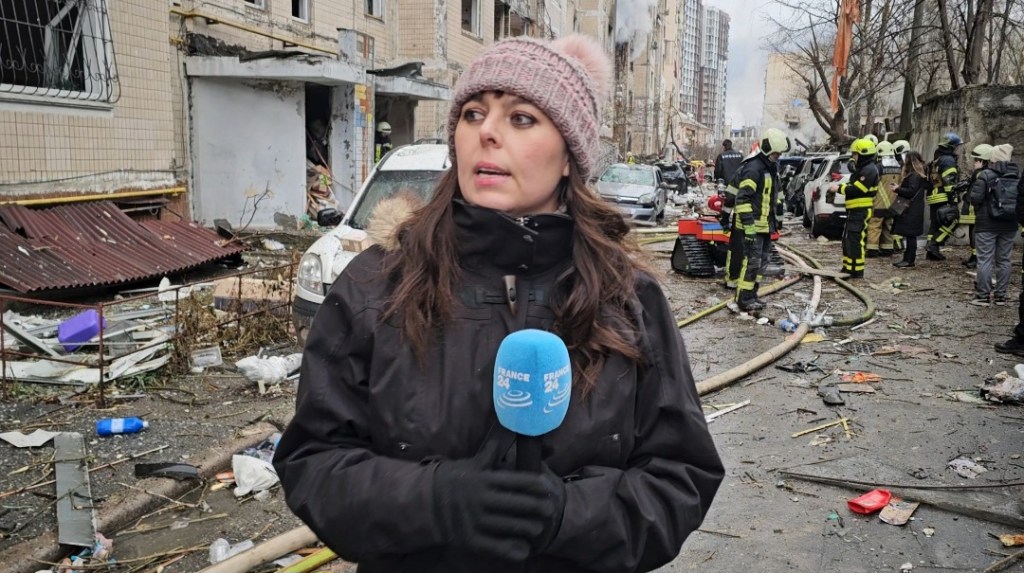
The darkness around us

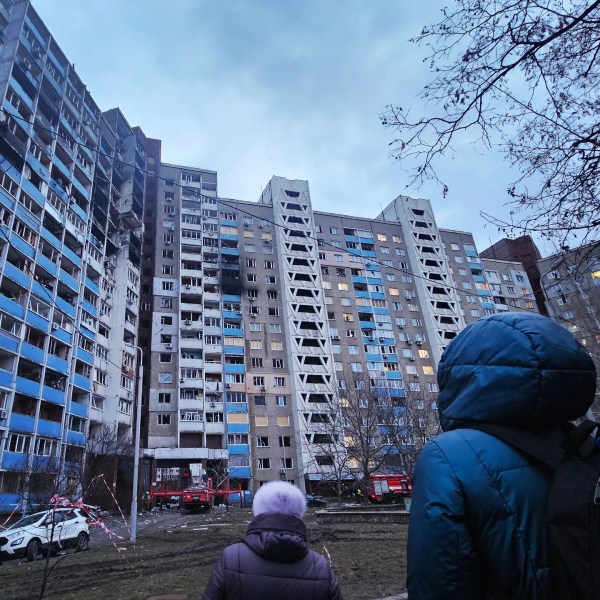
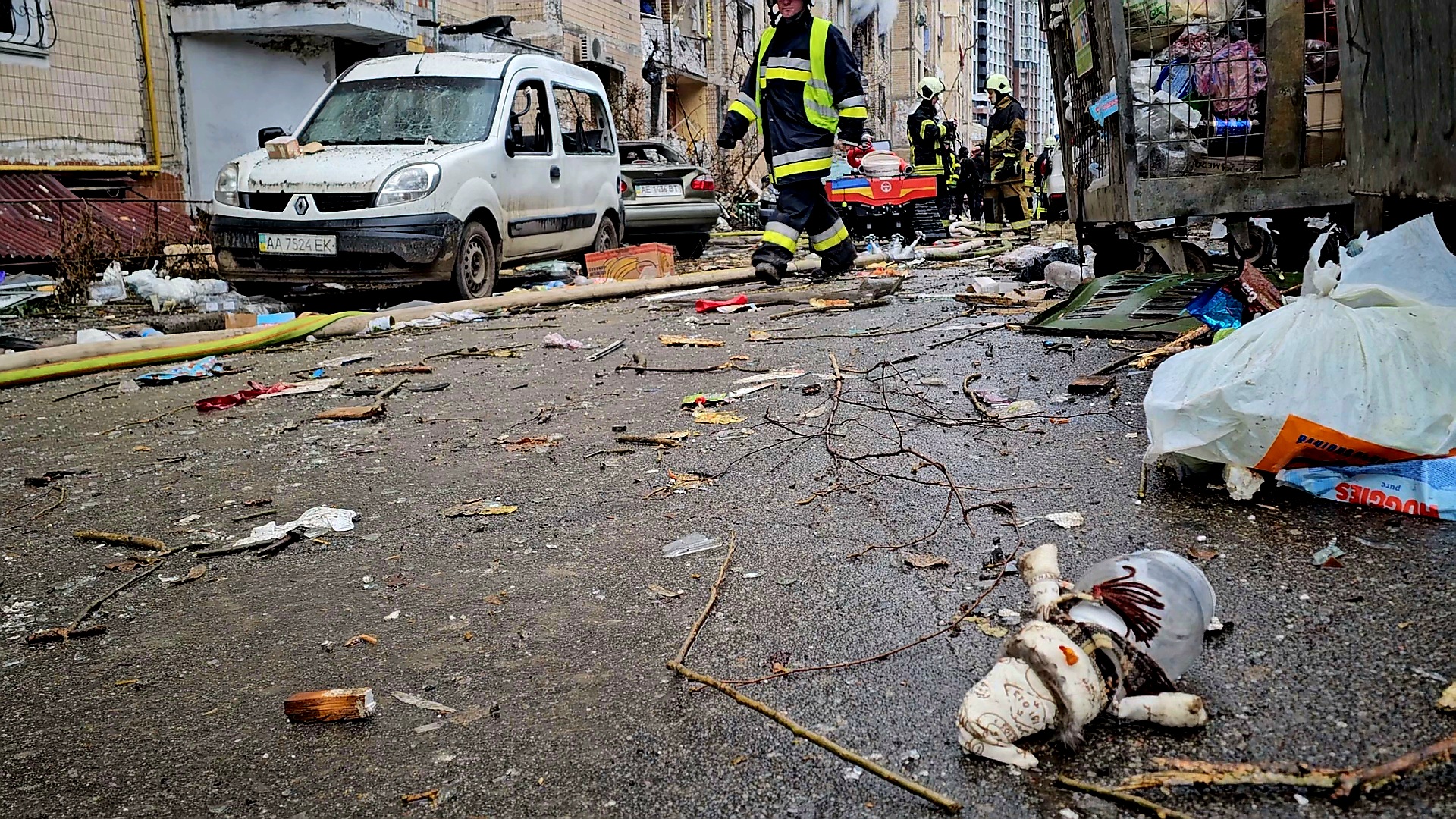
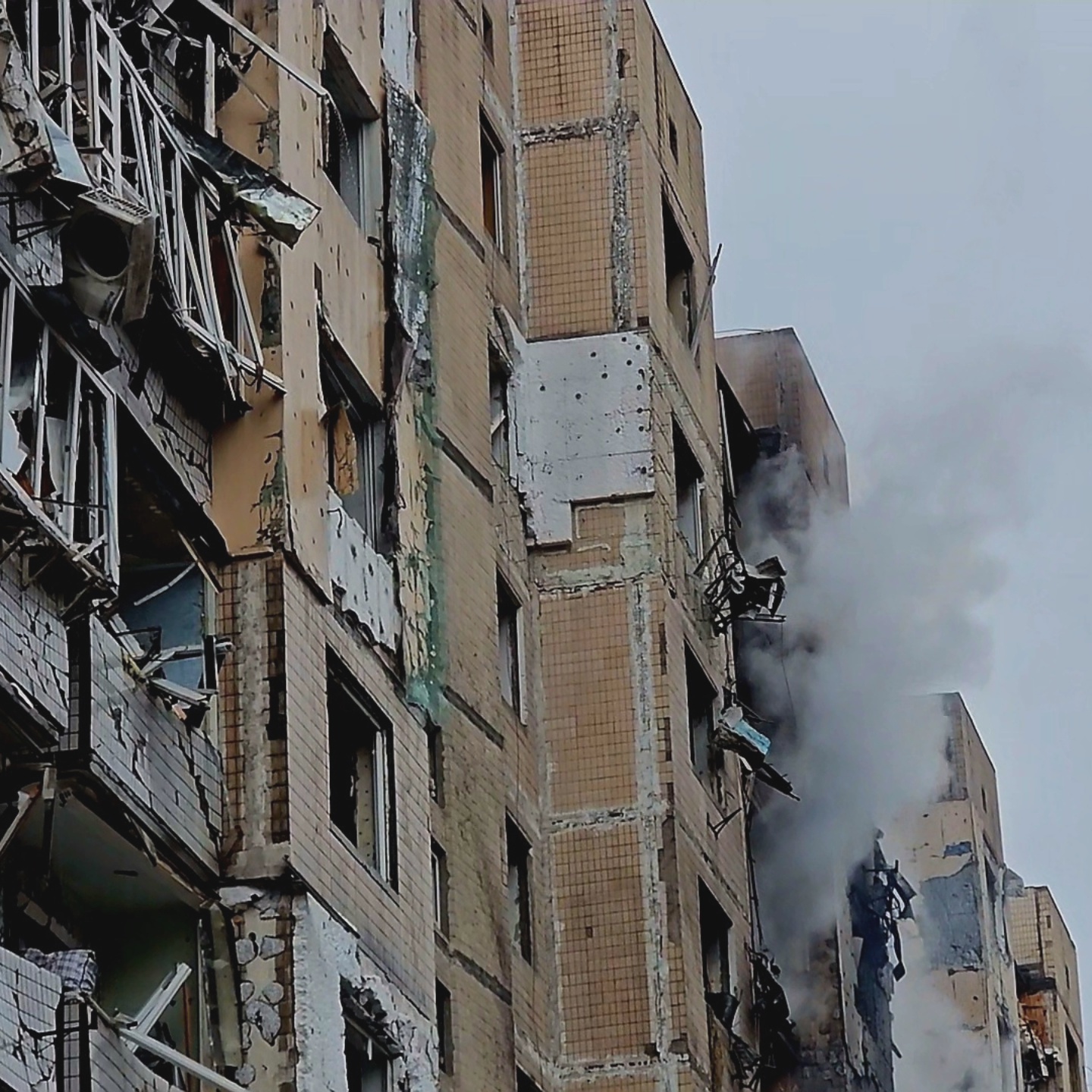
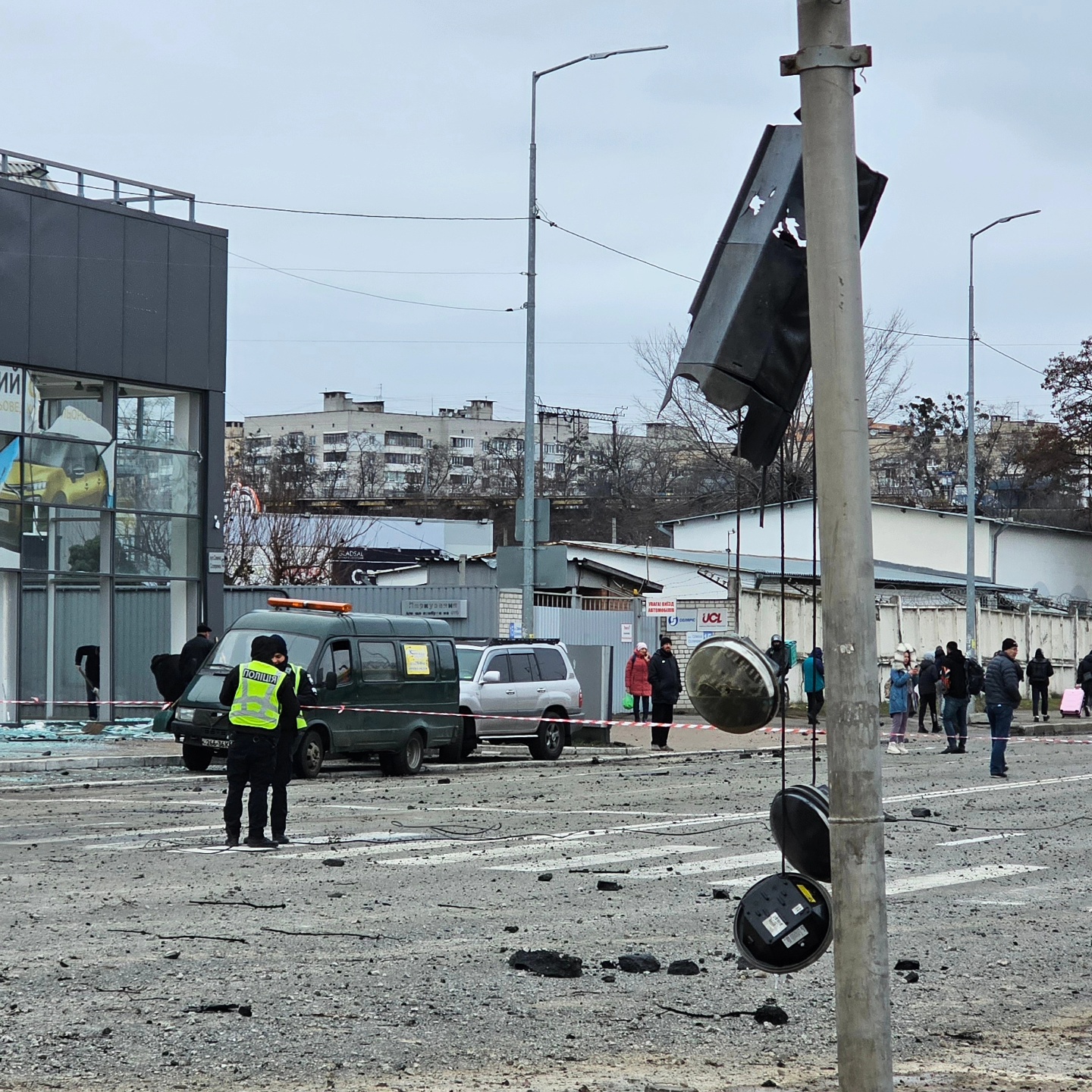
Podil was hit badly two nights ago, it was the second night in a row that we had been having strikes in the city center. Considering, anybody living in the heart of Kyiv is very privileged: we can enjoy a relatively normal life most of the time. Except when Russia strikes.

The following day, when I asked my friend Katya, who lives in that district, if she was ok, she told me that everything was fine with her. I was dealing with my own trauma that day, reporting on the death of two journalists, murdered by Russia with a drone, in Kramatorsk, a city I know well, a city which I know faces the same fate as too many others in Donbas before: Chasiv Yar, Pokrovsk, Toretsk, which you, reading me in English, might know only through pictures of their utter devastation. But those places didn’t use to be ashes, they used to be full of flowers, and full of life, until Russia came and levelled them to the ground.

So after reporting on the death of Olena Gramova and Yevhen Karmazin, I felt nothing but emptiness. Somehow, this particular murder hit me, my hands were shaking uncontrollably. I didn’t know them personally, I knew them through their work. I shelved the ton of reports I was supposed to hand in because I simply could not think, let alone write. I watched one of their reports, embedded with an NGO evacuating civilians in Donbas, something they filmed in March this year. Under Russian attack, they follow an NGO in Kostyantinivka now evacuated hospital. I can’t help but cry when I see that this video got a little more than a thousand views since its publication in March. Those are colleagues who day in, day out, risked their lives on the ground, close to the red zone, to report on Russia’s crimes against Ukraine.

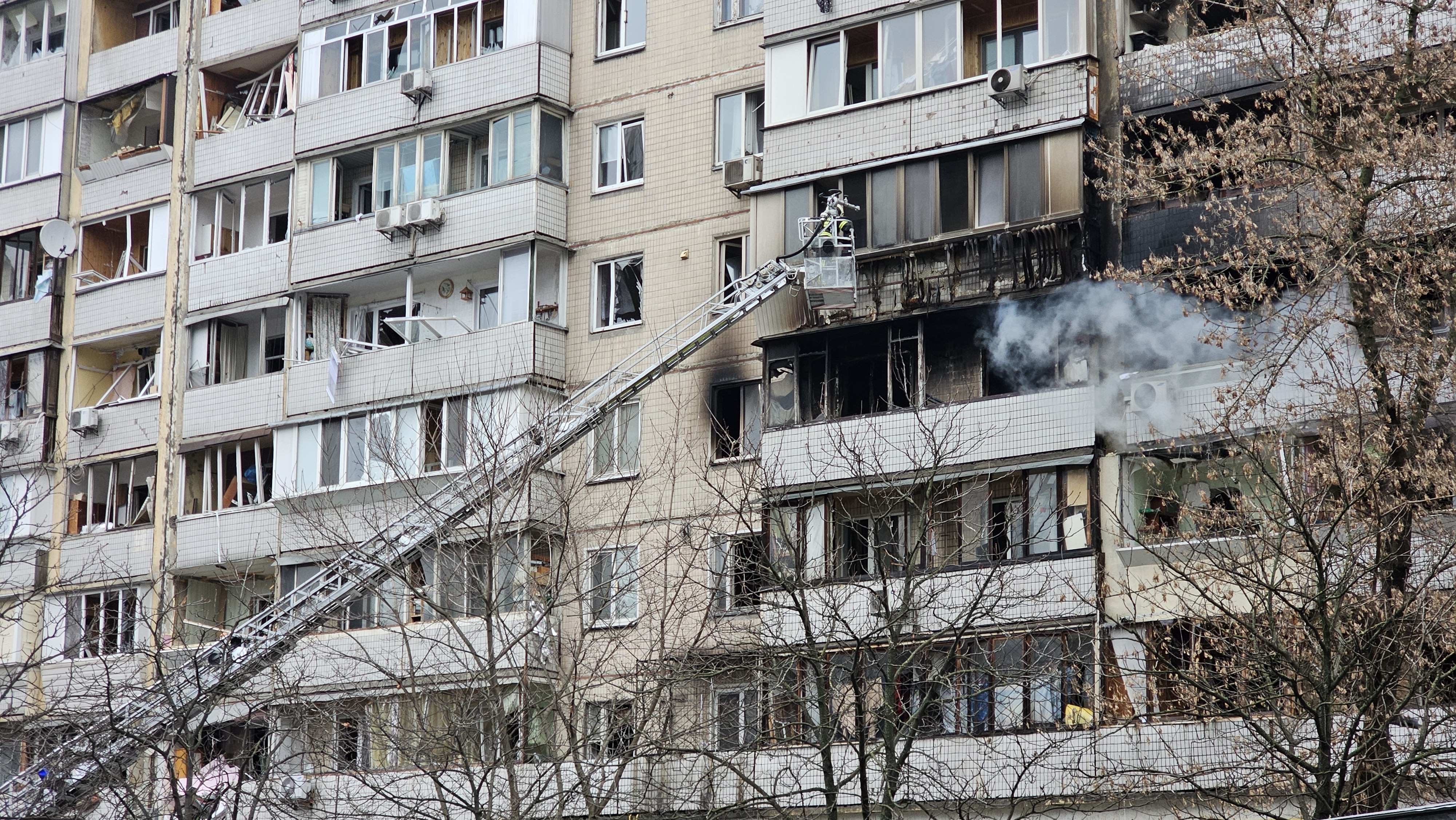
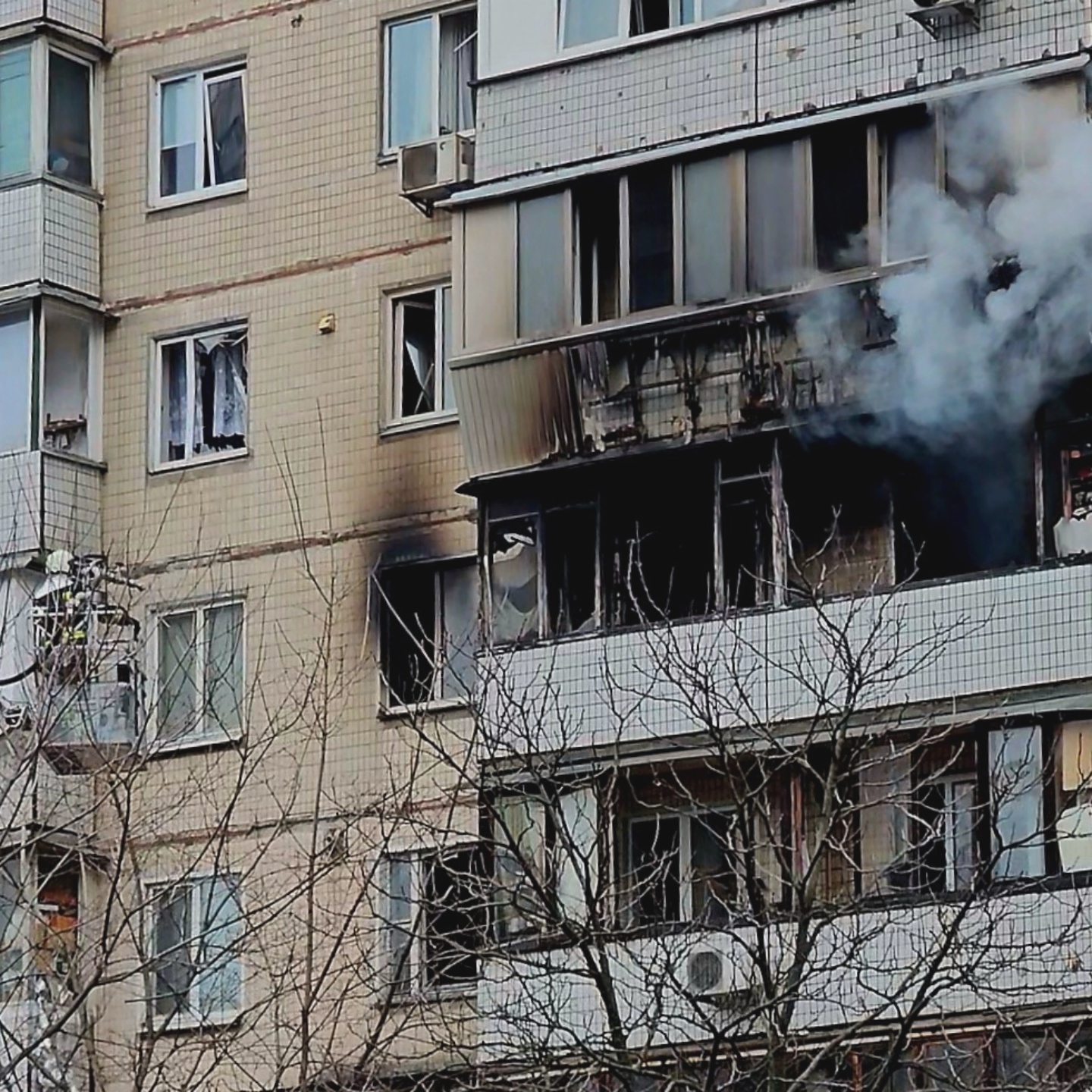
But back to Kyiv. Today I was chatting to Katya’s sister, on a completely different topic (namely, why does a Kramatorsk hospital still invest in a 5 million hryvnias top-notch new X-ray machine when the city is being bombed daily and whether this will ever make sense), and she let slip that she is very stressed out “given what happened to Katya”. Follows a moment of confusion, what have I missed? It turns out that Katya’s building got hit with shrapnel that night. I write back to Katya. “and you told me you were fine?!”. She answers “well, I’m fine, and the windows shattered were on the other side of the building, and I’m alive, so, considering, yes I’m fine”. I’m both relieved and appalled. This is neither fine nor normal, yet it is our reality.

This week, on October 20th, 84-year-old Larysa Vakuliuk, a goat herder from Kherson region, got targeted and killed, alongside her two goats, on a country road by a Russian FPV drone. It will never be said enough: FPV, First Person View, means that the pilot sees very well what, or who, he is targeting. Larysa had refused to leave her home, because she didn’t want to abandon her animals.

 In Chernihiv region, half of the population was plunged in a full blackout and emergency tents, “invicibility points”, had to be set up.

On October 22nd, in Kyiv region, Antonina Zaichenko, her six months old baby girl, Adelina were killed, alongside her 12 year old niece Anastasiia. The family had moved from Kyiv to the village of Pohreby, in Kyiv region, as they thought this would be safer. 

The same day, October 22nd, Russia launched a kamikaze drone on a kindergarten in Kharkiv. The 48 children present were apparently uninjured, but one man died, one person lost a leg (authorities communicated on a “traumatic injury resulting in amputation”, and another person suffered burns on 20% of their body”).

Back in Kherson, on October 24th, Russia also attacked the city with a multiple launch rocket system, resulting in three deaths and at least 14 injuries, and in Odesa region, Russia launched glide bombs, a first in this part of  Ukraine. 

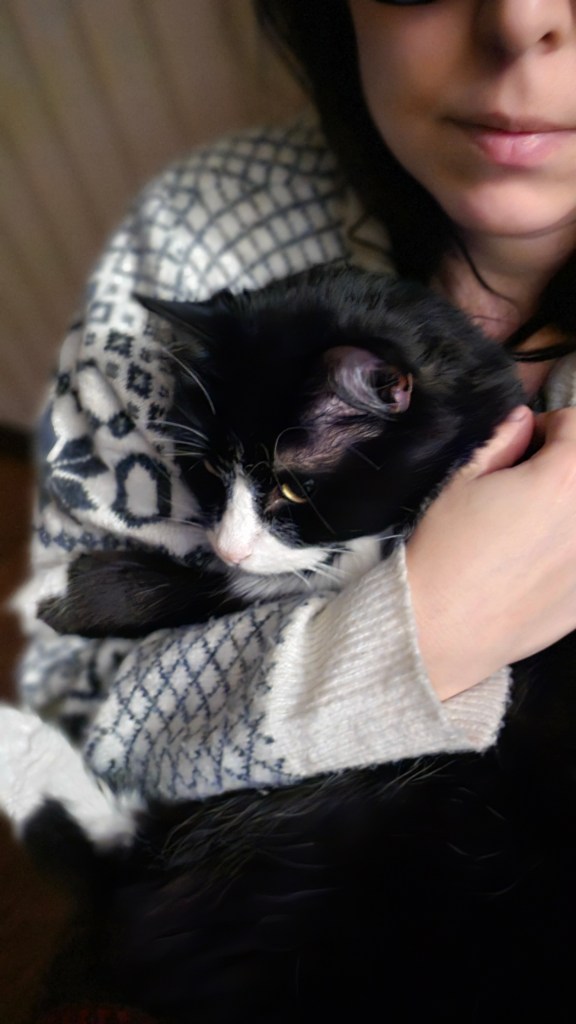
This week, the numbing sound of diesel generators roar in most streets in Kyiv. It is deafening. Many shops, cafes and restaurants are plunged in obscurity. It is dark and cold, I am writing those lines wrapped in my coat, with the desk light flickering, and all my electric devices are charging, just in case. In the corridor, I have lined up water supplies, in case Russia hits again and deprives us from running water. Next to the bottles, a fire extinguisher, in case a drone, or worse, a missile, hits the building. A bag with my important documents and the cat transport boxes are ready to be grabbed in case I have to leave the flat in a hurry.

I am lucky to live in the safest area of Kyiv, a European capital which still shines in many ways, except not at night because now it’s mostly plunged in an unwelcoming darkness, and it does not feel safe anymore. As I am writing those lines, I ask myself, am I fine? I am, because I am alive and I still have all my limbs. My loved ones are alive. I get to write these lines. This is what we consider fine here. But if I answer the question “are Ukrainians fine?” (which they can answer themselves, please, please ask them directly), I would say, no, Ukrainians are not fine, they are surviving, although like every other being, they deserve to live safely, instead of seeing their country being ripped apart daily.
I must be living in an alternate reality.

I must be living in an alternate reality. A reality where children are listed online for adoption, where journalists are tortured and killed in captivity, where hundreds of drones & missiles are routinely thrown at Ukraine, because the more I voice those horrible things, the more they are met with indifference, and the other side invariably asks: “are Ukrainians hopeful about peace”?

I feel that in the public sphere, the lines between ‘both sides’ have become very much blurred. Yet nothing has changed on the ground: Russia is still attacking Ukraine to expand its territory, bombs it daily, murders prisoners, kills Ukrainian civilians, traffics Ukrainian children. Ukrainians are not being difficult or unreasonable for defending themselves.

It’s terrifying to see how many people are unable to grasp the extent of the crimes Russia commits daily — and how easily they hide behind ‘both sides’ narratives, or ‘Ukraine says / Russia says’ false equivalence. It feels like walking among anesthetized people. It’s terrifying to report on horrific news and be met with, ‘But are you sure this war crime really happened?

What takes the most energy isn’t living under bombs, losing people I know regularly to the war, or even reporting on it. What worries me is how many people choose not to see, choose not to speak the truth too openly, and prefer to fool themselves into believing that Russia can be genuine in negotiations — just so they can continue living a normal life.

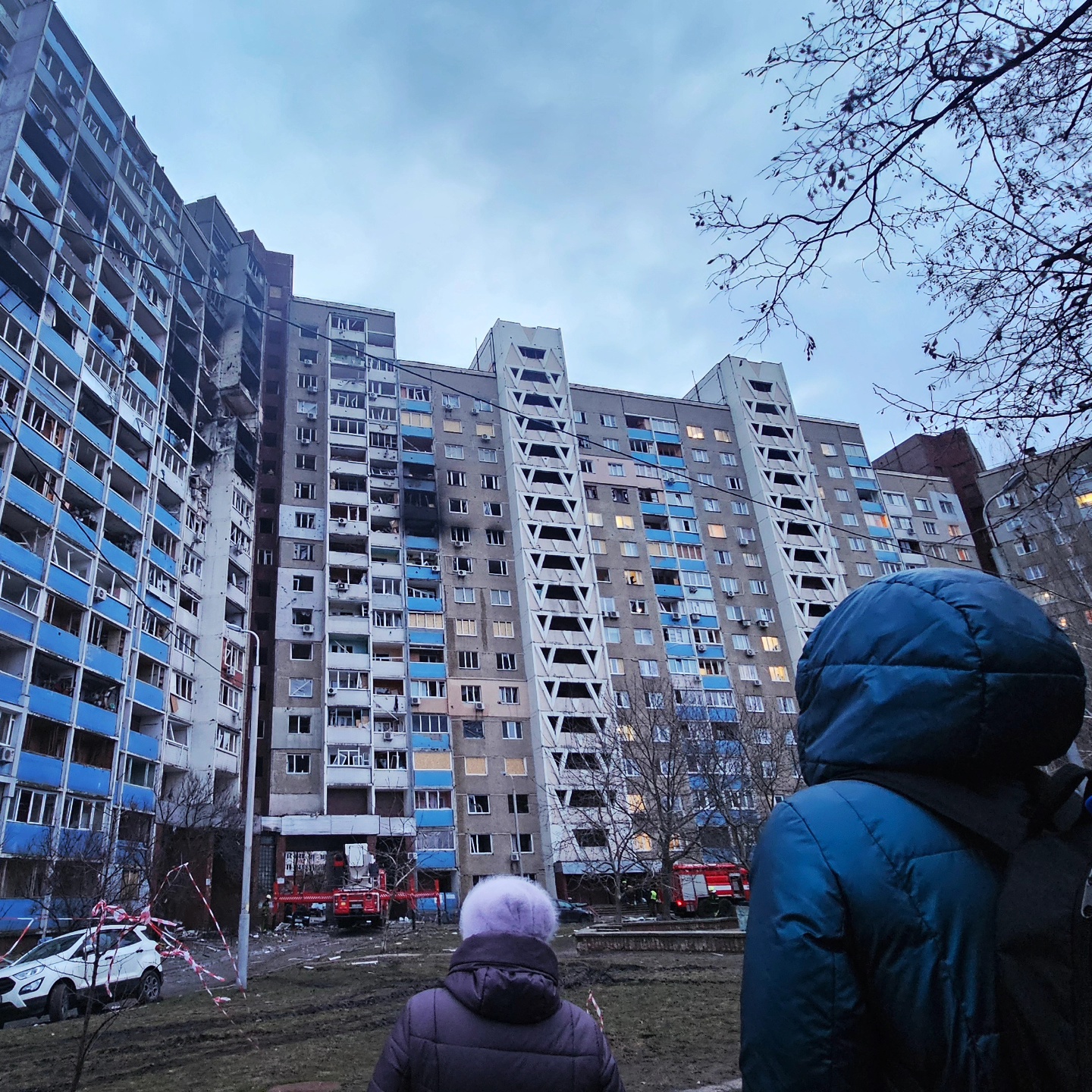
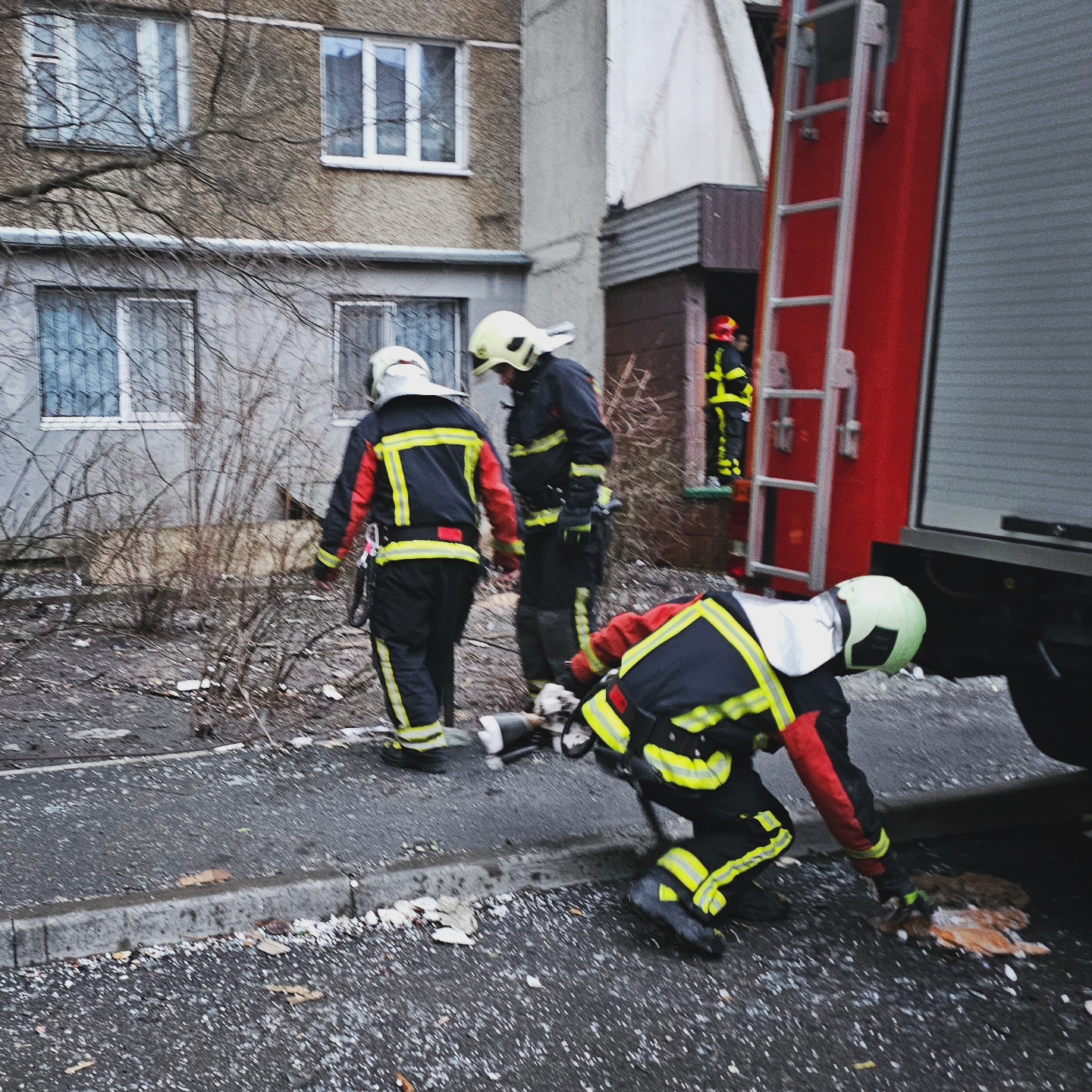
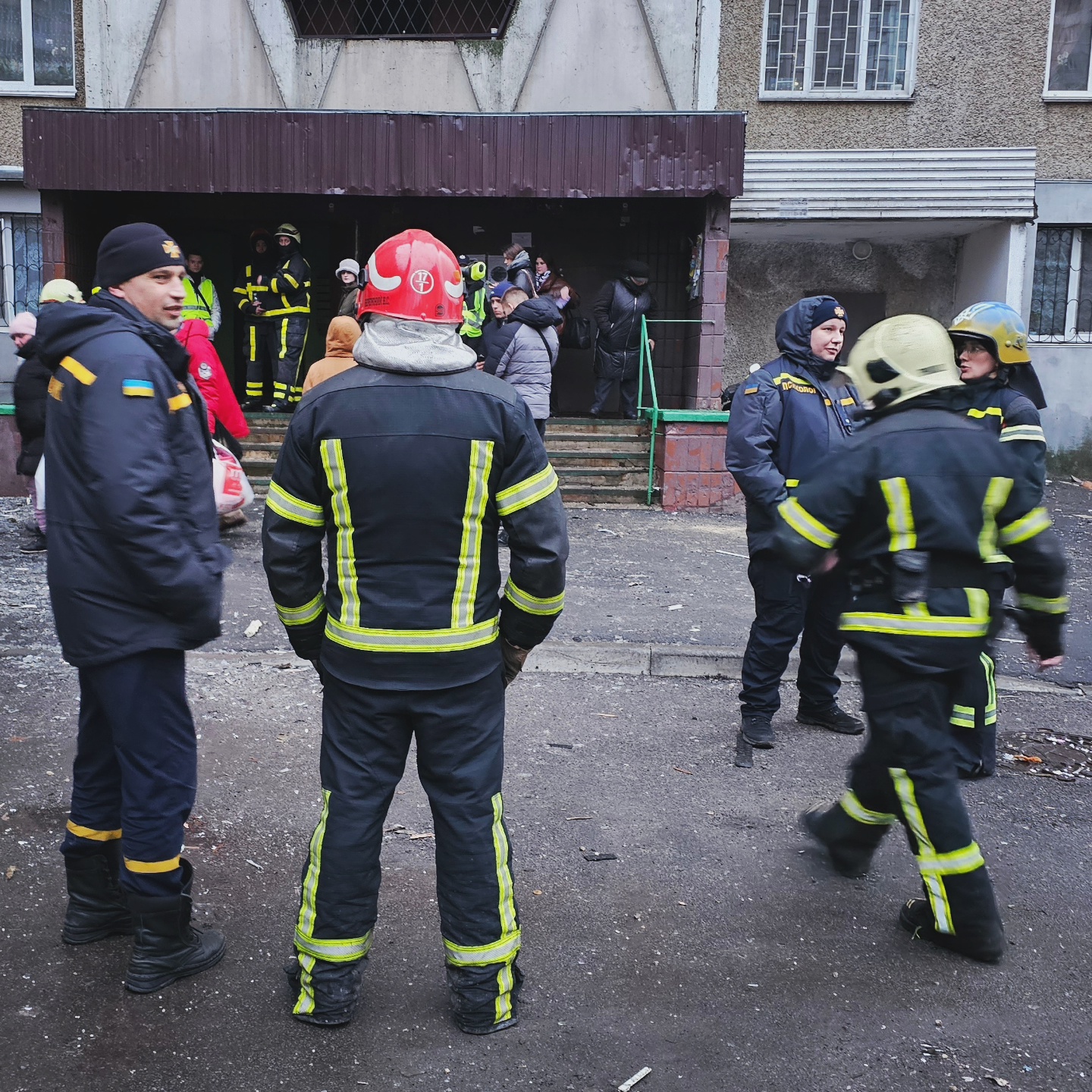
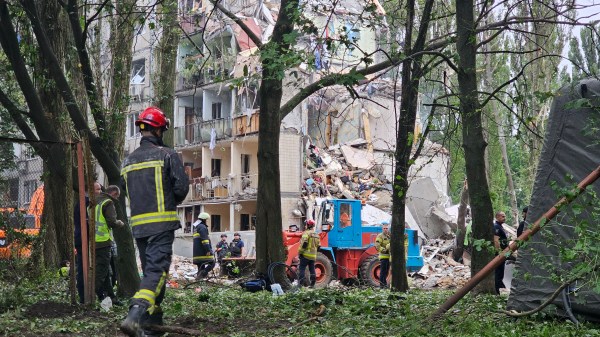
Rescuers working on the site of a russian strike in Kyiv, July 31st, 2025. Credit: Emmanuelle Chaze.

People live here

I didn’t want to go on the site of the strike in Holosiivs’kyi this morning, I knew what I would see: death, despair and destruction. We see it too often here. One shelling would already be one too many, and it keeps on happening, at various scales and over various cities, everyday.

But we need to see. We can’t afford to close our eyes. Hours after the strike, the smoke is no longer there, but the air is still filled with its smell. It has started to rain and a strong wind makes debris swirl around the people still there.

As the night falls on dozens of flat no longer inhabitable, people look on what used to be their homes. Some are waiting at the entrance of the building hit, they are trying to retrieve whatever belongings they have left. Others already carry a backpack, suitcase and plastic bags. Firefighters are still on site to clear up the crime scene. The sounds of drills indicates that wooden panels are being installed to replace broken windows.

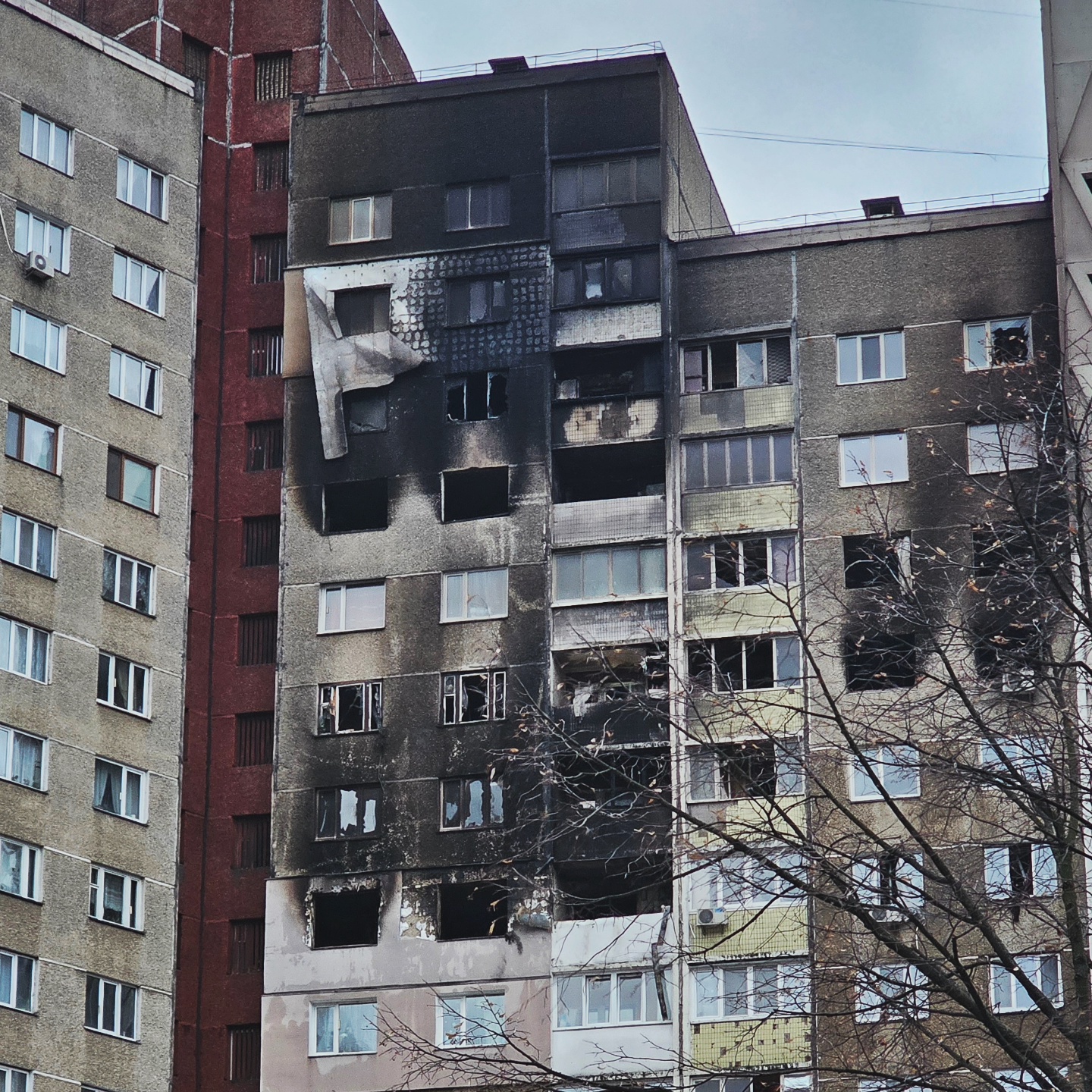
Today, in Kyiv alone, here in that residential building in the otherwise quiet, green district of Holosiivs’kiy, four people died and over 40 got injured, including a pregnant woman. Other civilians lost their pets to this horror.

As you can see from the some of the pictures, despite all this, lights are on in the untouched part of the building. People live here. Люди живуть тут.

In Kyiv, under missiles and drones

It didn’t come as a total surprise. For quite some time, the skies above Kyiv were far too quiet. We all knew Russia was probably saving as many missiles and drones as possible to hit Ukraine at the worst possible time, in the middle of the winter.

Living in Ukraine, we are used to the sound of wailing sirens, shrieking through the night. This is the best case scenario. The worst is when we hear the whistle of a missile, or the buzzing sound of a drone, and of course the sound of an explosion.

Last Friday, on December 29th, I slept through all the night’s air raid alerts. Instead, I woke up to the roar of an explosion nearby. The ceiling lights shook, the windows as well. I got up quickly and opened the curtains – to a scene of devastation. In a sunny, otherwise beautiful morning, columns of dark smoke rose high before me, towards Lukianisvka subway station, in the Shevchenkivs’kiy district, my district. Somehow the nice weather made it all the more terrible. I looked at my cats, eager to get breakfast and no longer scared by a sound that had become familiar to them, and looked back in the direction of Lukianivksa. A lot of my friends live nearby, so I immediately thought of them, messaged to see of they were ok.

In the safest place of my flat, as I had no time to seek shelter elsewhere and it was pointless to go out, as the danger of strikes persisted, I messaged the newsroom, with “URGENT: Kyiv under attack”. Catching up with the news through multiple channels, I could see that Ukraine was again under a barrage of missiles and drones launched by Russia.

We, journalists, are first responders too, we do not rescue, we do not repair, but we do show what is before our eyes. Security-wise, we are not supposed to leave a shelter during an on-going air raid alert. Plus, there is a risk of double-tap – as Russia has a well-documented habit to wait for rescuers to be on site before launching a second strike on the same spot.

When it is safe enough to do so, I meet with Illia, my producer today. He was on his way to the swimming pool with a friend, when the attacks happened. We have to decide which site to cover first – the warehouse on fire in Podil? The subway station in Lukianivska? I opt for the latter, it’s closer and we think we know where to go.

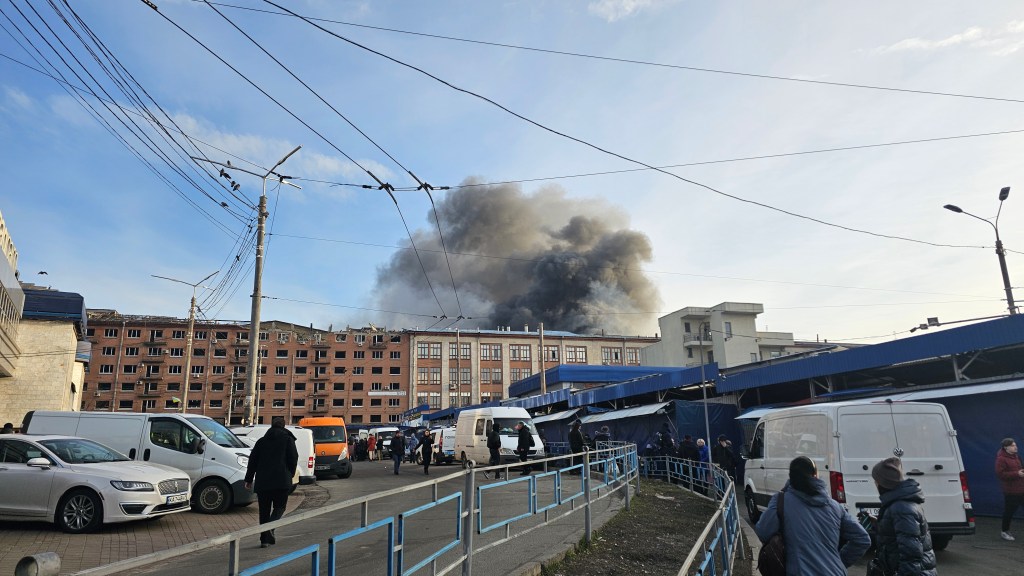
A dark cloud of smoke rises from the site of a missile strike near the subway station of Lukianivska, in Kyiv. People look on.
A dark cloud of smoke rises from the site of a missile strike near the subway station of Lukianivska, in Kyiv. © Emmanuelle Chaze, Kyiv, December 2023.

The thick column of smoke comes from the very same place shelled last summer. Dozens of ambulances are on site. Police cordon off the area, not accessible to the press yet. There is a factory of interest in the neighborhood.

An elderly woman shouts at us to stop filming, saying that we’re helping Russians. We tell her we are authorised to film, she goes straight to a police officer and points her finger at us. She’s frantic, still shocked because of the explosion. The officer looks at her, looks at us, we wave towards our accreditations which we quickly took out of our pockets. He silently nods in approval and looks, unfazed, at the woman who seems now dejected.

We can’t go live on the scene of an attack for the first couple of hours, precisely so as not to give out any information to ill-intentioned people.

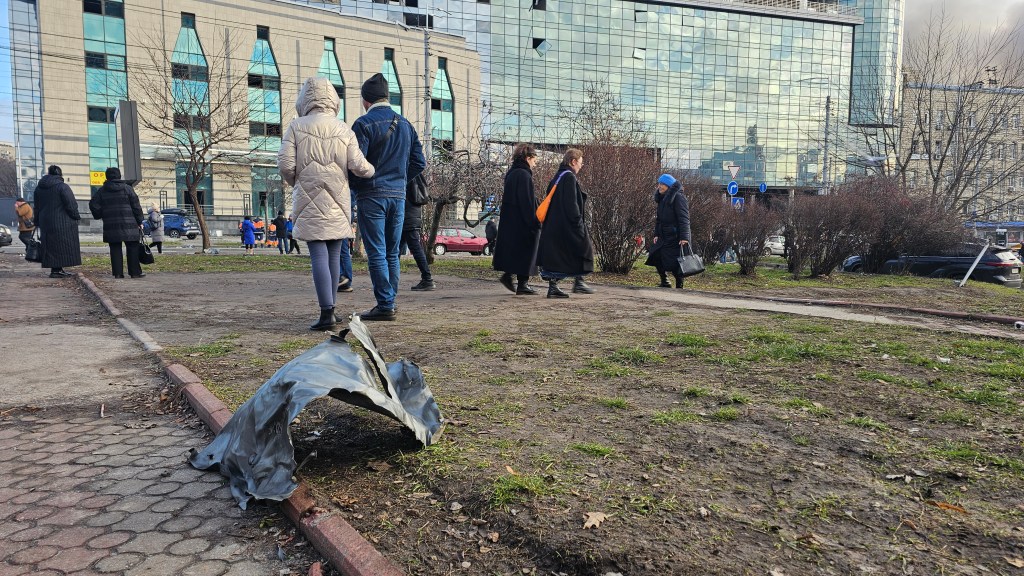
Fragment of a rooftop pulverised by an incoming missile on December 29th, 2023, near Lukianivska subway station, in Kyiv.
People look on at the damage caused by an incoming missile thrown in the central district of Shevchenkivs’kiy in Kyiv, near the subway station of Lukianivska, on December 29th, 2023 © Emmanuelle Chaze, Kyiv, December 2023.

We meet with people whose offices were already destroyed the last time this area was shelled. There is Oleh, a business owner who exclaims: “In Ukrainian, we say that a bomb never falls twice on the same place. Do you see, this is the answer for politicians: in a city far away from the frontline, without fighting. Should they be helping us or no? They should come in Kharkiv, Kherson, Zaporizhzhia, looking at what happens to our Ukraine every day!”. Katarina, a young mother, and her little boy Vovochka who tries to steal my microphone, were about to leave their home to go to the kindergarten when the missile struck the subway station. Katarina says: “We decided against the kindergarten and sheltered at home, and it was for the best, because it quickly became so chaotic over there, with of all the people seeking shelter”.

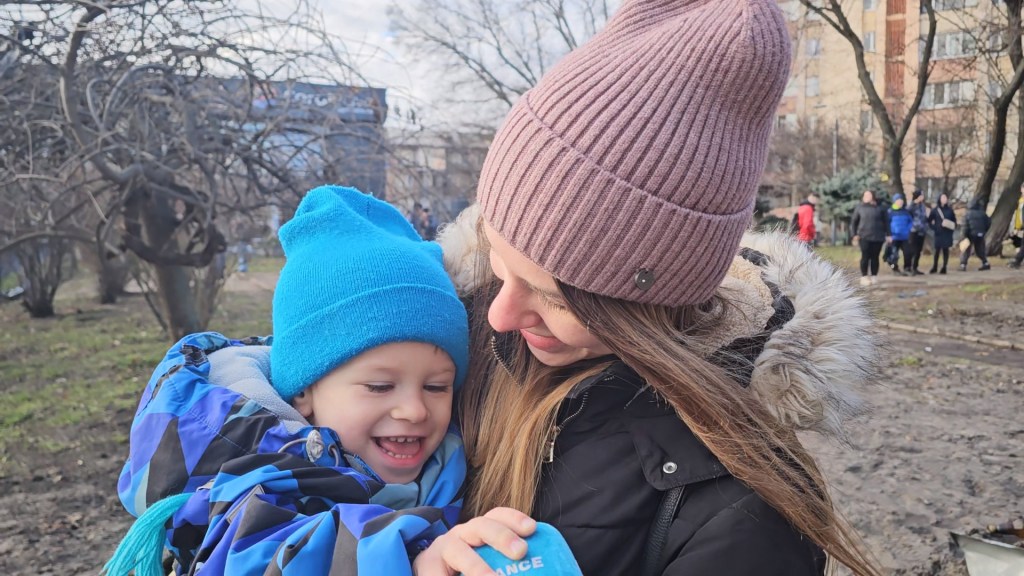
Katarina and her son Vovochka. The little boy is playing with the microphone.
Katarina and her son Vovochka both survived the shelling of December 29th, 2023, near Lukianivska subway station in Kyiv. © Emmanuelle Chaze, December 2023.

After filming, I call V., my friend and also producer, to use his laptop, as mine is broken. We spend the afternoon between editing and radio lives. In the evening, back on Sophia Square for more TV lives, I hear a street musician playing “Forever Young” on the guitar and this is the last straw that day – this is forever the song of Arman, a French journalist who died last year in Chasiv Yar. But people stroll, they enjoy the music, while I enumerate the horrors of the day for an international audience.

***

It only takes another couple of days, during which various other shellings happen: Kherson, Odesa, where teenagers, among others, are killed, their lives cut short by drones and missile strikes on civilian infrastructures, before the capital is hit by another large scale attack.

On January 2nd, we in Kyiv wake up again to the sound of explosions. Drones had already been sent in the middle of the night, but I hadn’t heard anything. This time, it’s missiles. 99 of them, most aimed at Kharkiv and Kyiv. It’s loud, it lasts several hours. I had no time to get out and reach the safest shelter: the Kyiv subway, to I shelter at home, in my corridor. One of my cats in my arms, the other two hiding somewhere, while the windows are shaking, and the light is flickering.

I’m texting with my colleagues in Paris, they’re worried for me, ask if I want to postpone our live. Precisely because we are under attack, I want to proceed, from my corridor.

Today is the 2nd time in four days that Illia and I check on each other during the shelling, then he picks me up when it’s safe to do so, and we go to a site where destruction and death try to obliterate life. From the road, we can see hellish dark columns of smoke, all across the city.

When we arrive on site, we arrive shortly after first rescuers. When we can, if authorities agree, we report live from the spot, and we film. It’s a sadly well rehearsed ballet of responders. We all know our job, and all acknowledge that we belong together here. The firefighters, the police, the intelligence, the army, and the press. And in the middle, the countless victims.

There is no time to cry, but it’s always time to feel.

Just before recording that video, I was greeting a photographer from Frontliner, a photographer who I always meet during those awful, awful circumstances. He too is visibly shaken.

There is no time to cry, because people need to know. Until you spot a friend in the crowd. You think he’s working too, as he is a journalist as well, but no, he tells you he lives in one of the buildings damaged, and you see his eyes full of tears.

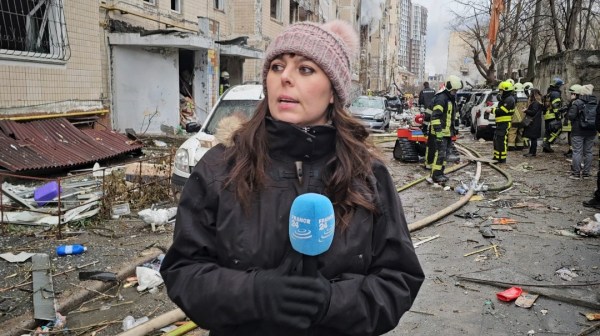
All around us, firefighters, fire hoses, smoke, ashes, people injured, people crying, people already removing shards from their flats and trying to fix what has been undone by Russia.

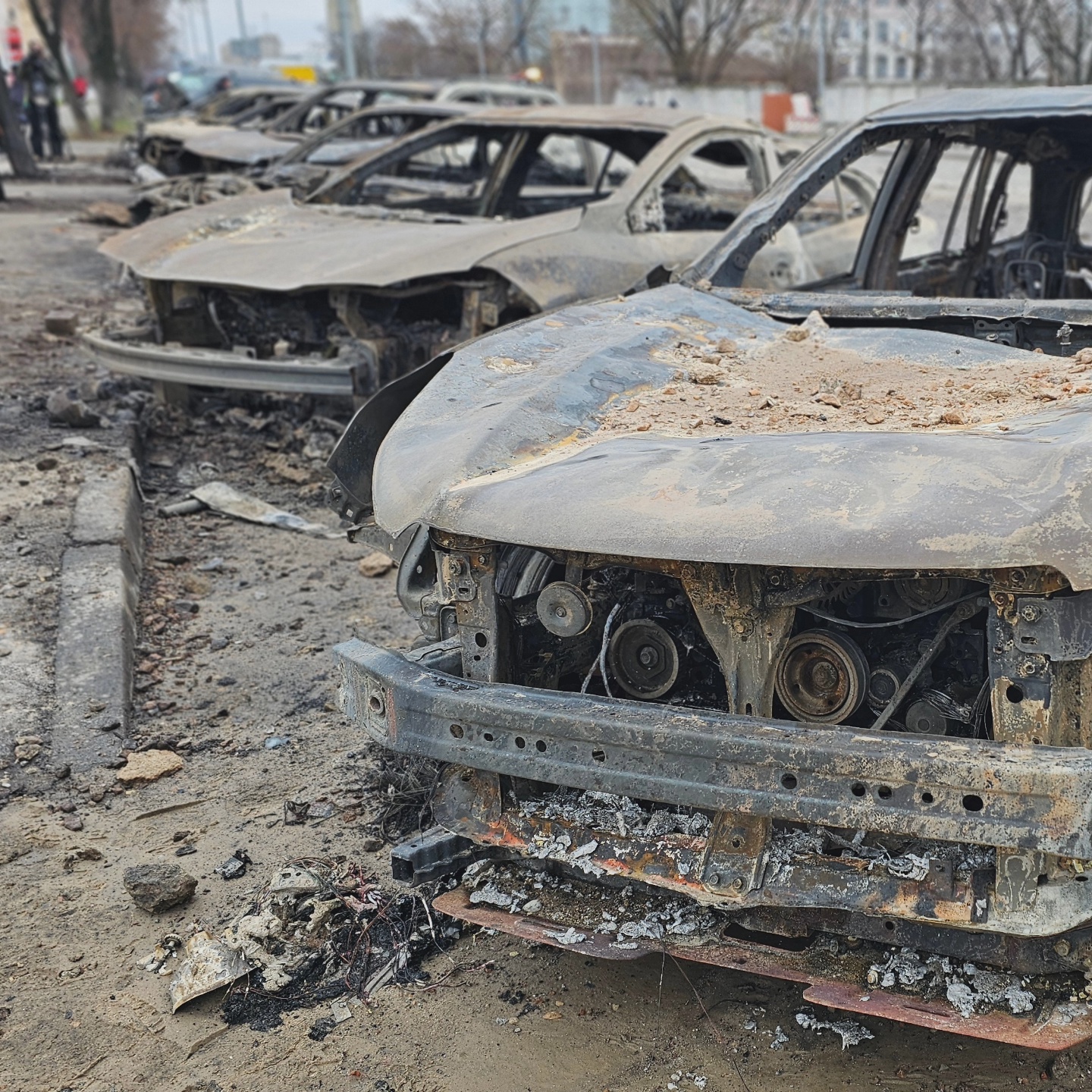
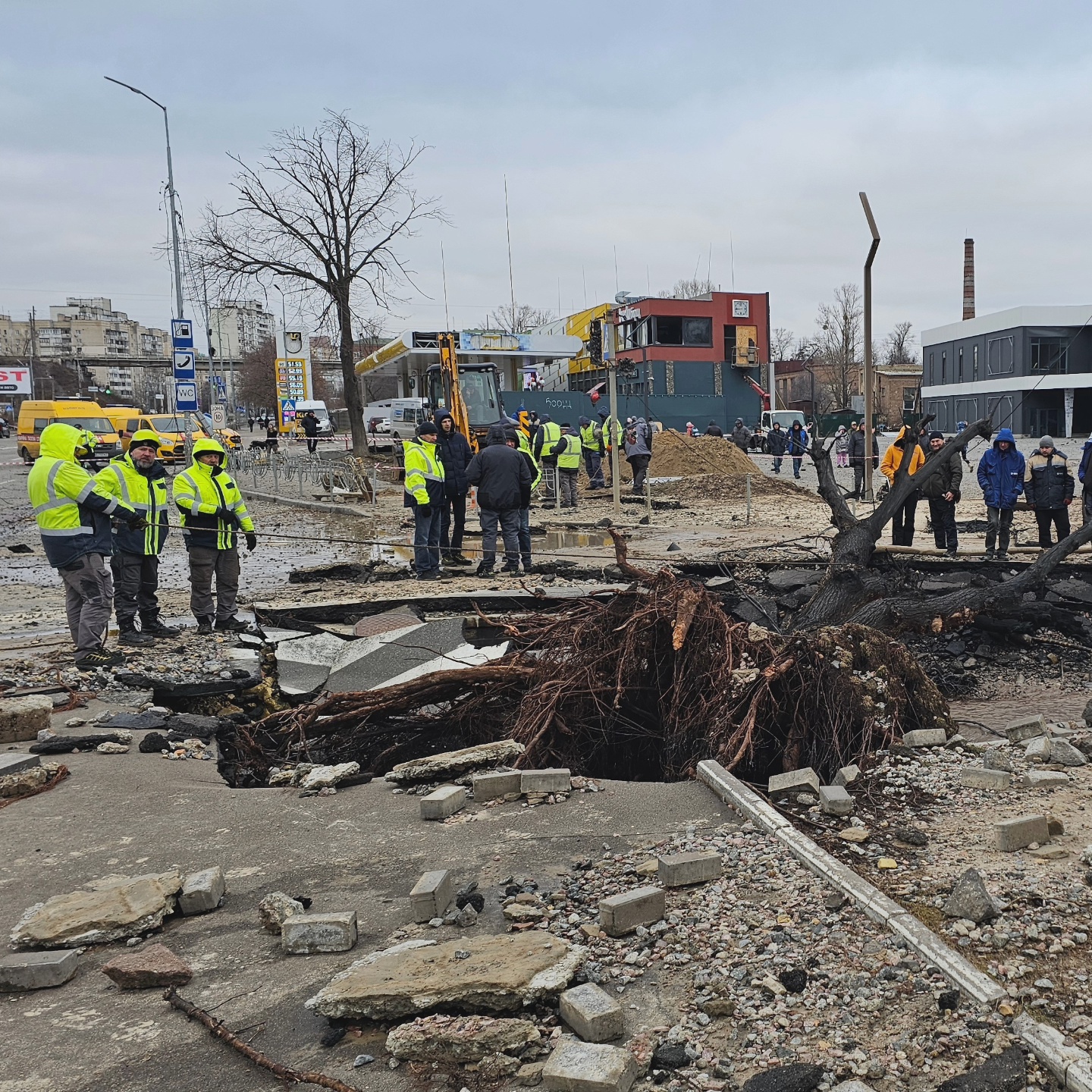
We move to another location. Charred cars, more emergency workers. A strong smell of gas. Is it dangerous still? Everything is grey and muddy. Everything but us. We’re alive, still.

There is no time to cry but I often wonder if it will ever stop, why it keeps on happening, and if I will ever unsee all the horrors before me.

Reporting in the Solomians’kiy district of Kyiv, on January 2nd, 2024 © Emmanuelle Chaze, January 2024.

Website Powered by WordPress.com.

Up ↑